How to Get Smoother Streaming With IPTV Australia
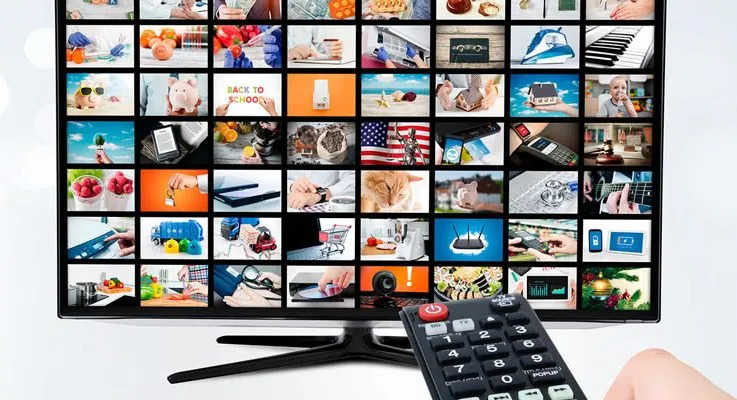
A smooth streaming experience is one of the most important things when watching IPTV. Nobody wants a movie to stop suddenly, a sports match to freeze, or a live TV channel to keep buffering.
IPTV Australia uses an internet connection to deliver television content, so the quality of your home network, device, application, and IPTV provider can all affect playback.
The good news is that many common streaming problems can be reduced with a few simple changes. From improving your Wi-Fi connection to choosing the right video quality, small adjustments can make IPTV easier and more enjoyable to use.
IPTV Australia
IPTV Australia refers to television content delivered through an internet connection using Internet Protocol technology.
Depending on the provider and its content rights, IPTV services may offer:
- Live TV channels
- Sports
- News
- Movies
- TV shows
- Documentaries
- Kids' programs
- International channels
- Music
- Video on Demand (VOD)
The available channels and features vary between providers.
Because IPTV depends on an internet connection, a reliable network is an important part of getting smooth playback.
IPTV Subscription Australia
An IPTV subscription Australia provides access to selected television content for a specific period.
Before choosing a subscription, we should look at more than the number of channels offered.
Important factors include:
- Streaming reliability
- Video quality
- Device compatibility
- EPG availability
- VOD options
- Customer support
- Simultaneous-stream limits
- Subscription terms
- Content licensing
A reliable and properly authorized provider can make a significant difference to the overall viewing experience.
Check Your Internet Speed
The first thing to check when IPTV is buffering is the internet connection.
Streaming video requires a steady flow of data. If the connection becomes slow or unstable, playback may pause while the device waits for more data.
As a general guide:
- SD: Around 5 Mbps
- HD: Around 10 Mbps
- Full HD: Around 20 Mbps
- 4K: Around 30 Mbps or more
These figures are only general estimates. Actual requirements depend on the service, video compression, device, network conditions, and number of users.
Use a Stable Wi-Fi Connection
Wi-Fi is convenient, but its performance can change depending on the distance between the router and your Smart TV.
Walls, furniture, other wireless devices, and network congestion can affect the signal.
For better performance, we should:
- Place the router in a suitable central location.
- Keep the router away from major obstacles.
- Avoid unnecessary distance between the TV and router.
- Keep the router firmware updated.
- Reduce unnecessary network traffic when possible.
A stronger Wi-Fi signal can help provide more consistent streaming.
Consider an Ethernet Connection
If your Smart TV or streaming device is close enough to the router, an Ethernet connection can be a useful option.
Ethernet connects the device directly to the router with a network cable.
It can reduce some of the problems associated with weak or congested Wi-Fi signals.
For users who frequently experience buffering, testing Ethernet can help determine whether Wi-Fi is part of the problem.
Restart Your Router Regularly
A simple router restart can sometimes solve temporary network problems.
If several devices have been connected for a long time or the router is experiencing a temporary issue, restarting it may restore normal performance.
However, if buffering happens regularly, restarting the router every time is not a complete solution. We should investigate the underlying network or service issue.
Avoid Too Many Devices Using the Network
Your IPTV stream is not the only thing using your internet connection.
Other household devices may also consume bandwidth through:
- Video calls
- Online gaming
- Cloud backups
- Large downloads
- Software updates
- Other streaming services
If several devices are using large amounts of bandwidth at the same time, IPTV playback may suffer.
Reducing unnecessary network activity during important live events can help.
Choose the Right Streaming Quality
Higher video quality requires more bandwidth.
If your internet connection is struggling with 4K, switching to HD may provide a smoother experience.
This does not mean lower quality is always better. The goal is to select a quality level that matches your internet connection, device, and viewing needs.
Keep Your Smart TV Updated
Smart TV manufacturers regularly release software updates.
These updates can improve:
- Performance
- Application compatibility
- Security
- Stability
- Network functionality
We should check for available system updates and install them when appropriate.
Keep Your IPTV Application Updated
The IPTV application can also affect streaming performance.
An outdated application may have compatibility or performance issues.
If the provider recommends a specific application, we should follow its setup instructions and keep the application updated through a reputable source.
Clear Unnecessary Applications
Smart TVs and streaming devices have limited system resources.
If many applications are running or installed, the device may become slower.
Removing applications we no longer use can help keep the device organized and responsive.
We should also close unnecessary applications when possible.
Check Your Device's Performance
Older Smart TVs and streaming devices may struggle with high-resolution video.
If a service works well on one device but performs poorly on another, the problem may be related to the device rather than the internet connection.
We should check:
- Device age
- Supported video resolution
- Available storage
- Operating system version
- Application compatibility
- Hardware capabilities
Use the Correct IPTV Application
Not every IPTV application offers the same experience.
A good application should provide a simple interface for:
- Live TV
- Channel browsing
- EPG
- VOD
- Favourites
- Search
- Playback controls
We should use reputable applications and follow the IPTV provider's recommended setup instructions.
Use the EPG to Find Channels Faster
An Electronic Program Guide (EPG) can make IPTV easier to navigate.
Instead of scrolling through a large channel list, we can use the EPG to find current and upcoming programs.
This is particularly useful when a service offers many channels.
Check the IPTV Provider
Sometimes the problem is not our internet connection or device.
The IPTV provider itself may experience temporary technical problems, server congestion, or content delivery issues.
If several channels suddenly stop working while our internet connection is performing normally, we should check the provider's support information.
This is another reason to choose a provider with responsive customer support.
Test Different Channels
If one channel buffers but others work normally, the problem may be specific to that stream.
Try several channels with different video qualities.
For example:
- If every channel buffers, check the internet or device.
- If only one channel buffers, the issue may be specific to that stream.
- If HD works but 4K buffers, the connection or device may not be sufficient for 4K.
This simple test can help identify the source of the problem.
Use a Suitable IPTV Subscription
A subscription should match your household's needs.
If several people watch IPTV simultaneously, check the provider's rules regarding simultaneous streams.
For example, a plan designed for one stream may not work well for a household where two or three people want to watch different programs at the same time.
Always check the provider's terms before purchasing additional connections.
Improve Your Home Network
For larger homes, the router may not provide an equally strong signal in every room.
Depending on the situation, options such as a better router, mesh Wi-Fi system, or wired connection may improve coverage.
The goal is to create a stable connection between the IPTV device and the internet.
Reduce Buffering During Live Sports
Live sports can be particularly frustrating when buffering occurs.
Before an important match, we can:
- Check the internet connection.
- Stop large downloads.
- Reduce unnecessary streaming on other devices.
- Restart the IPTV application if needed.
- Check that the device is updated.
- Use Ethernet if available.
- Select a suitable video quality.
Preparing before the event can reduce the chance of interruptions.
What If IPTV Still Buffers?
If buffering continues after improving your home network, we should identify where the problem is coming from.
Check the following:
Internet
Run a speed test and check whether the connection is stable.
Wi-Fi
Test the device closer to the router or use Ethernet.
Device
Check whether other streaming applications also experience problems.
Application
Restart or update the IPTV application.
Provider
Contact customer support if multiple channels continue to have issues.
This step-by-step approach is better than immediately assuming the IPTV service is the problem.
Common IPTV Streaming Mistakes
Some common mistakes can make IPTV less reliable.
Using Weak Wi-Fi
A poor signal can cause interruptions.
Streaming 4K on an Inadequate Connection
Higher quality requires more bandwidth.
Ignoring Device Updates
Old software can cause compatibility problems.
Overloading the Network
Multiple high-bandwidth activities can affect streaming.
Choosing Only by Price
A cheap service is not necessarily reliable or good value.
Ignoring Licensing
Choose a provider that has appropriate rights to distribute its content.
Is IPTV Legal in Australia?
IPTV is a technology used to deliver television content over an IP network. The technology itself is not automatically illegal.
The important issue is whether the provider has the appropriate authorization to distribute the content it offers.
We should therefore choose legitimate and properly licensed services and avoid providers that cannot clearly explain their content rights.
Simple IPTV Smooth Streaming Checklist
Before watching, check:
Internet connection is stable.
Wi-Fi signal is strong.
Ethernet is used when practical.
Other heavy downloads are paused.
Smart TV software is updated.
IPTV application is updated.
Device has sufficient performance.
Video quality matches the connection.
Provider offers reliable support.
Content is properly licensed.
Conclusion
Getting a smoother IPTV Australia experience does not always require expensive equipment or complicated changes.
We can start by checking our internet connection, improving Wi-Fi, considering Ethernet, reducing network congestion, updating our Smart TV and IPTV application, and choosing a suitable streaming quality.
An IPTV subscription Australia should also be selected carefully. Reliable performance, compatible devices, useful features, customer support, clear terms, and proper content licensing are more important than simply having a huge channel list.
By taking these simple steps, we can create a more stable IPTV setup and enjoy live TV, sports, movies, and other available content with fewer interruptions.

About Premium Author
This post has been authored and published by one of our premium contributors, who are experts in their fields. They bring high-quality, well-researched content that adds significant value to our platform.


Popular Categories
Stay Connected
Recent Posts










.png)