Tajima and Ricoma Machine Comparison: Which One Delivers Better Performance?
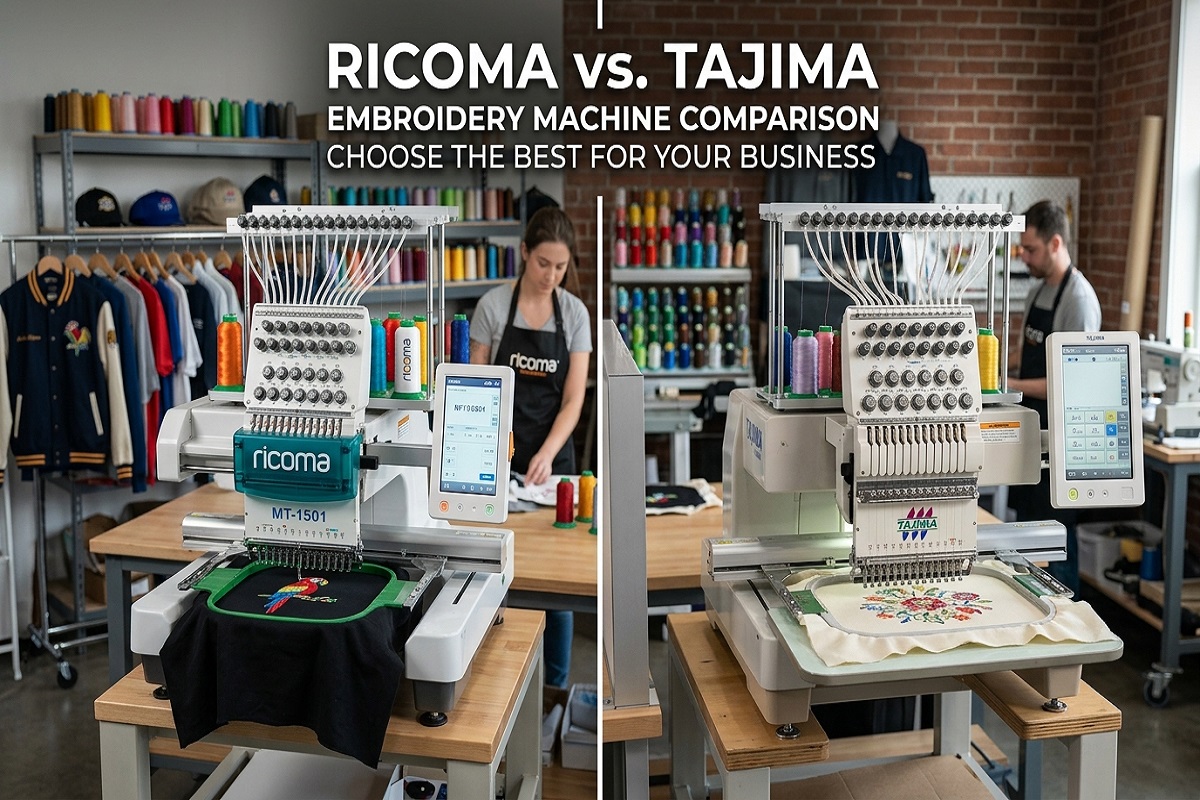
Choosing the right embroidery machine is a big step. It can change how fast you work and how good your final design looks. Many people compare Tajima and Ricoma because both brands are well known. They offer modern features and reliable machines for embroidery work. But which one gives better performance? The answer depends on your needs, budget, and business goals.
If you are looking for a Tajima and Ricoma Machine Comparison, it helps to know how each brand performs in real work. I have seen both machines used in busy embroidery shops and small home businesses. Each one has strong points. They also have a few limits. This guide will help you understand the main differences so you can choose the machine that fits your work.
Why Machine Performance Matters
A good embroidery machine saves time. It also helps you create clean and sharp designs. When your machine runs well, you spend less time fixing errors. This means more happy customers and better profits.
Good performance also means:
- Faster production
- Better stitch quality
- Less machine downtime
- Easy operation
- Long machine life
These points are important whether you are just starting or already running a large embroidery business.
A Quick Look at Tajima
Tajima has been making embroidery machines for many years. The brand has built a strong name in the industry. Many large embroidery companies trust Tajima because the machines are known for high accuracy and long life.
What Makes Tajima Special?
High Stitch Quality
Tajima machines produce smooth and clean stitches. Small details stay sharp, even on complex designs.
Fast Production Speed
These machines work at high speed while keeping good stitch quality. This is useful for businesses with many daily orders.
Strong Build
Tajima machines are made with high-quality parts. They can handle long working hours without losing performance.
A Quick Look at Ricoma
Ricoma has become popular because it offers many useful features at a lower price. It is a common choice for new embroidery businesses and small shops.
What Makes Ricoma Popular?
Budget-Friendly Price
Many people choose Ricoma because it costs less than many premium brands. This makes it easier for beginners to start a business.
Easy Controls
The touch screen is simple to use. Most new users learn the system quickly.
Modern Features
Ricoma includes useful tools such as automatic thread trimming, color change, and design transfer options.
Stitch Quality Comparison
The quality of stitches is one of the biggest points when choosing an embroidery machine.
Tajima
Tajima is known for very clean stitching. It performs well on detailed logos, letters, and fine designs. The machine keeps stitches even and smooth.
Ricoma
Ricoma also produces good stitch quality. It works well for most everyday embroidery jobs. However, very detailed designs may need more adjustments than Tajima.
Which One Wins?
If your work includes many complex designs, Tajima has a small advantage. For standard business orders, Ricoma delivers very good results.
Speed and Productivity
Speed is important when you have many customer orders.
Tajima Performance
Tajima machines run at high speed while keeping strong stitch quality. They also handle long production hours with fewer stops.
Ricoma Performance
Ricoma also offers good production speed. It is fast enough for most small and medium businesses. With proper setup, it can complete daily jobs efficiently.
Final Result
Large production shops may benefit more from Tajima. Smaller businesses will often find Ricoma more than enough.
Ease of Use
Not everyone has years of embroidery experience. A simple machine helps users work with more confidence.
Tajima
Tajima offers advanced controls. Experienced operators enjoy these features. New users may need extra time to learn everything.
Ricoma
Ricoma focuses on user-friendly controls. The screen is easy to understand. Many beginners feel comfortable after only a short learning period.
Maintenance and Reliability
Every embroidery machine needs regular care.
Tajima
Tajima machines have a strong reputation for long-term reliability. With proper maintenance, they continue working for many years.
Ricoma
Ricoma machines also perform well when cleaned and maintained regularly. Following the maintenance guide helps reduce unexpected problems.
Customer Support
Good support becomes important when you need help.
Tajima
Support quality depends on your local dealer. Many dealers offer training and repair services.
Ricoma
Ricoma is known for providing training videos, online support, and customer service. This helps new users solve common problems more easily.
Price Comparison
Price is often the biggest factor when buying an embroidery machine.
Tajima
Tajima is usually more expensive. The higher cost reflects its premium build quality and long-term performance.
Ricoma
Ricoma offers a lower starting price. This makes it attractive for startups and growing businesses with limited budgets.
Best Choice for Different Users
For Beginners
Ricoma is a great option. It offers simple controls, useful features, and a lower investment.
For Growing Businesses
Ricoma continues to be a strong choice if you want good performance without spending too much.
For Large Production Shops
Tajima is often the better investment for companies running machines for long hours every day.
My Experience Using Both Brands
After watching both machines work in real embroidery environments, I noticed clear differences. Tajima performs very smoothly during long production runs. It keeps stitch quality consistent, even after many hours of work.
Ricoma impressed me with its value. It handled everyday embroidery jobs well and was easier for new users to learn. Many small business owners were able to start producing quality work without a huge investment.
Both machines can produce excellent embroidery when they are set up correctly and maintained on a regular schedule.
Tips Before You Buy
Think About Your Budget
Choose a machine that fits your current business without creating financial stress.
Consider Future Growth
If you expect your business to grow quickly, think about how the machine will support higher production later.
Check Local Support
A good dealer can make ownership much easier by providing training, parts, and repair services.
Test the Machine
Whenever possible, watch the machine run before buying. Seeing real embroidery results can help you make a better decision.
Why Choosing the Right Partner Matters
Buying a good embroidery machine is only part of building a successful business. High-quality digitizing also plays a major role in producing clean embroidery. Even the best machine cannot fix a poorly prepared embroidery file.
That is why many embroidery businesses choose Absolute Digitizing for professional embroidery digitizing services. Well-made embroidery files help machines run smoothly and create better-looking designs with fewer thread breaks and cleaner stitching.
As your embroidery business grows, working with experienced providers like Absolute Digitizing can help improve production quality while saving valuable time.
Final Thoughts
Both Tajima and Ricoma are strong embroidery machine brands. Each one offers solid performance for different types of users. Tajima stands out for premium stitch quality, long-term reliability, and heavy production work. Ricoma offers excellent value, simple operation, and dependable performance for small and growing businesses.
The best choice depends on your budget, production needs, and long-term plans. Take time to compare features, test machines when possible, and think about the type of embroidery work you do most often. A careful decision today can support your embroidery business for many years.

About Premium Author
This post has been authored and published by one of our premium contributors, who are experts in their fields. They bring high-quality, well-researched content that adds significant value to our platform.


Popular Categories
Stay Connected
Recent Posts








.png)